Source transmission support for Auto, Truck, and Bus Applications
Compare 30 transmission support options from verified Chinese manufacturers. Buyers can evaluate models like GSR1421-08 and AZ9725520278 based on material, certification, and lead time for automotive and truck needs.
Key considerations
Products List
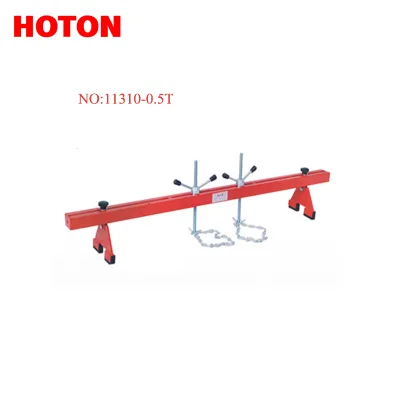


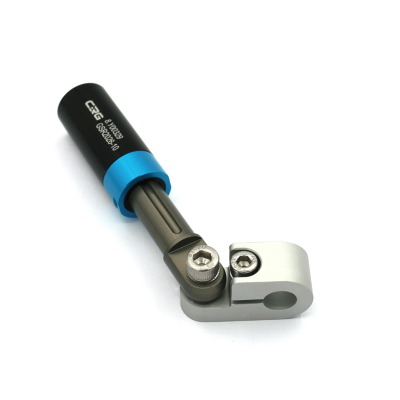


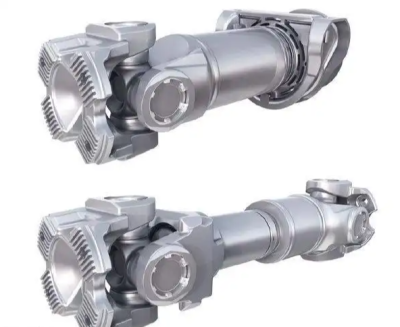
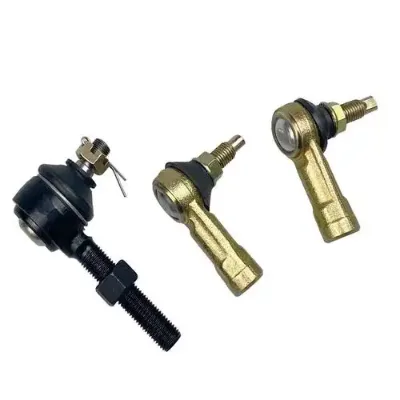
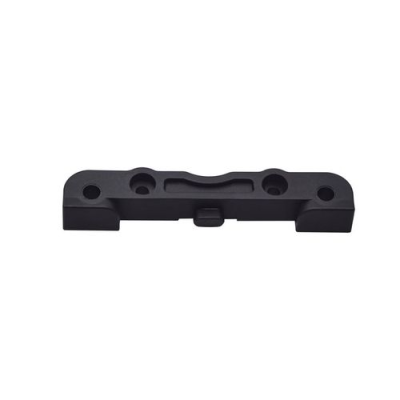


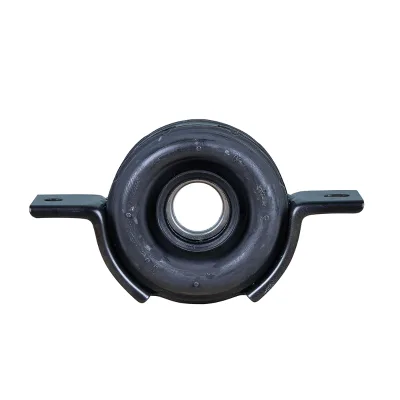
Comprehensive Sourcing Guide
Strategic Sourcing Guide for Transmission Support Components
The procurement of transmission support components requires a rigorous approach that balances technical precision with supply chain reliability. These critical automotive parts, often referred to as buffer supports or center bearings, serve as the structural interface between the transmission system and the vehicle chassis. Their primary function is to absorb vibrations, maintain alignment, and ensure the smooth transfer of torque. For buyers operating in the global market, understanding the specific material properties, manufacturing tolerances, and certification requirements is essential to mitigate the risk of premature failure or assembly incompatibility. This guide synthesizes available market data to provide a framework for evaluating potential suppliers and defining procurement specifications without relying on unverified claims.
Technical Specifications and Material Integrity
The foundation of a successful procurement strategy lies in defining precise technical specifications. Transmission supports are not generic fasteners; they are engineered components that must withstand dynamic loads and environmental stressors. The supplied data indicates that these components are frequently manufactured from iron, carbon steel, and various grades of steel, including galvanized sheet and stainless steel. The selection of material is dictated by the specific application environment. For instance, carbon steel offers high strength and cost-effectiveness, while stainless steel provides superior corrosion resistance for vehicles operating in harsh climates.
Manufacturing processes play a pivotal role in the final product quality. The industry standard for these components often involves cold stamping and forming processes utilizing multi-position fine blanking and multistep progressive dies. This method ensures high dimensional accuracy and consistency. A critical specification to verify is the thickness range, which in observed market data spans from 0.1 mm to 8 mm. Buyers must ensure that the supplier's capability aligns with the required thickness for their specific transmission model. Furthermore, the tolerances for these parts are typically tight, with observed specifications reaching 0.01 mm. Such precision is non-negotiable for maintaining the alignment of the drivetrain.
The surface processing of these components is equally important. Polishing is a common technique observed in the market to reduce friction and prevent rust. The final product often comes in a grey color, which may indicate a specific coating or paint finish designed for durability. When evaluating a supplier, buyers should request detailed metallurgical reports to confirm the material composition matches the stated requirements, whether it is iron, carbon steel, or a specific stainless alloy.
Compliance, Certification, and Regulatory Standards
Navigating the regulatory landscape is a critical step in sourcing transmission supports. Automotive components must adhere to a strict set of international and regional standards to ensure safety and interoperability. The market data highlights a robust array of certifications that buyers should look for, including TSRoHS, E-Mark, CE, ISOCOP, and CCC. These certifications indicate compliance with environmental regulations regarding hazardous substances and electrical safety standards where applicable.
Additionally, ISO and CE certifications are frequently cited, suggesting adherence to international quality management systems. The presence of an E-Mark certification is particularly significant for the European market, as it denotes that the component meets specific vehicle type approval requirements. For buyers targeting the Chinese market, the CCC (China Compulsory Certification) is a mandatory requirement. It is vital to verify that the supplier's certification documents are current and cover the specific product model being purchased.
The data also references specific standard component classifications and weight standards, such as 10kg, 14kg, 15kg, and 20kg. These figures likely refer to load-bearing capacities or specific testing standards rather than the weight of the component itself. Buyers must clarify these figures with the supplier to ensure they meet the load requirements of their vehicle's transmission system. Furthermore, the "Standard Component" designation implies that these parts are designed to fit standard mounting points, but customization is often available. Buyers should confirm whether the part is a direct replacement or requires modification to fit specific chassis configurations.
Cost Drivers and Pricing Dynamics
Understanding the cost structure of transmission supports is essential for budgeting and negotiation. The observed price range in the market is extensive, spanning from $0.09 to $200 USD. This wide variance is driven by several factors, including the complexity of the design, the material used, the volume of the order, and the level of customization required. A basic iron component produced in high volumes will naturally be at the lower end of the spectrum, while a custom-engineered stainless steel part with tight tolerances and specialized surface treatments will command a higher price.
The Minimum Order Quantity (MOQ) is another significant cost driver. The observed MOQ range is between 1 and 1000 units. Suppliers with lower MOQs may charge a premium per unit to cover setup costs for smaller batches. Conversely, ordering in larger quantities can significantly reduce the unit cost, but it requires accurate demand forecasting to avoid excess inventory. The lead time, observed to be between 30 and 60 days, also impacts the total cost of ownership. Longer lead times may necessitate higher safety stock levels, tying up capital and increasing warehousing costs.
Customization is a key factor in pricing. While standard components are readily available, the "Customization: Available" attribute indicates that many suppliers can tailor parts to specific needs. This flexibility comes at a cost, as it involves additional engineering, tooling, and setup time. Buyers should weigh the benefits of a custom fit against the increased unit price and longer lead time. Additionally, the packaging method, such as "Neture Box," "Color Box," or "Cartoon," can influence the final price, especially if specialized packaging is required for export or specific retail channels.
Typical Applications and Industry Usage
Transmission supports are integral to the automotive industry, specifically within the domain of auto accessories and vehicle assembly. The primary application is in the mounting and support of transmission systems, ensuring stability and reducing vibration transfer to the vehicle cabin. The data identifies these parts as "Auto Stamping Parts," confirming their use in mass production environments. The specific model numbers observed, such as GSR1421-08, WG9925525286, and AZ9725520278, suggest a wide variety of applications across different vehicle makes and models.
These components are not limited to a single type of vehicle. They are used in passenger cars, commercial trucks, and potentially heavy-duty machinery, depending on the load capacity and material strength. The "Industry: Auto Accessories" classification reinforces their role in the broader automotive supply chain. Buyers should verify the compatibility of the part with their specific vehicle model, as the model numbers provided in the market data are highly specific. The "Center bearing" specification indicates a particular type of support used in long shaft applications, which is common in trucks and buses.
The versatility of these parts is further highlighted by the "Customized" attribute. This allows manufacturers to adapt transmission supports for unique vehicle designs or aftermarket modifications. Whether for original equipment manufacturing (OEM) or the aftermarket repair sector, the ability to source parts that match the original specifications is crucial. The "New" condition of the products ensures that buyers receive components that have not been previously used or degraded, which is essential for maintaining vehicle performance and safety.
Supplier Evaluation and Quality Assurance
Selecting the right supplier is as important as the product itself. The supply chain for transmission supports is global, with the "Place of Origin" identified as China. This region is a major hub for automotive stamping and metalworking, offering a wide range of capabilities. However, buyers must conduct thorough due diligence to ensure the supplier meets quality standards. The "Brand" attribute, listed as "Std" or "CRG," suggests that some suppliers operate under generic branding, while others have established brand identities.
Quality control is paramount. The "Machinery Test Report" is noted as "Not Available" in some contexts, which is a red flag for buyers requiring rigorous validation. Ideally, suppliers should provide comprehensive test reports, including tensile strength, hardness, and fatigue life data. The "Tolerances: 0.01mm" specification requires advanced manufacturing equipment and strict process control. Buyers should audit the supplier's quality management system to ensure they can consistently produce parts within these tight tolerances.
The "Warranty" period is another critical evaluation metric. The market data shows warranties ranging from 6 months to one year. A longer warranty period often indicates the supplier's confidence in their product quality. However, buyers should read the terms carefully to understand what is covered and what constitutes a claim. The "Port of dispatch" being Shanghai is a common logistical node, but buyers should verify the supplier's ability to handle international shipping and customs clearance efficiently.
Long-Term Procurement Considerations
Sourcing transmission supports is not a one-time transaction but a long-term partnership. The "Lead Time: 30-60 Days" indicates that supply chain planning must be done well in advance. Buyers should consider the potential for supply chain disruptions and the need for buffer stock. The "Customization: Available" feature allows for long-term adaptation of parts as vehicle designs evolve, but it requires a stable supplier relationship to manage the engineering changes effectively.
The "Standard Component" nature of many parts suggests that obsolescence is a risk if a specific model is discontinued. Buyers should work with suppliers who offer lifecycle management services or can provide alternative part numbers. The "Processing Type: Shaping Metal" and "Process: Forming Process" indicate that the manufacturing process is mature, but buyers should monitor for any changes in technology that could affect part availability or performance.
Finally, the "Product name: Buffer support" and "Type: Cold Stamping" highlight the specific nature of the component. Buyers should ensure that their procurement strategy includes regular quality audits and performance reviews. The "Color: Grey" and "Surface Processing: Polishing" are aesthetic and functional details that should be maintained consistently to ensure brand consistency and product longevity. By focusing on these long-term factors, buyers can build a resilient supply chain that supports their automotive operations effectively.
FAQs
What certifications do transmission supports typically have?
These components often carry certifications such as TSRoHS, E-Mark, CE, ISOCOP, CCC, ISO, and E-Mark. Buyers should verify that the specific supplier provides current documentation for the required regional standards before placing an order.
How long is the lead time for these parts?
The standard lead time ranges from 30 to 60 days for production and delivery. This duration applies to both standard and customized orders, so buyers must plan their inventory accordingly to avoid supply chain delays.
Which materials are used to manufacture these supports?
Manufacturers use iron, carbon steel, galvanized sheet, stainless steel, and cold-rolled sheet for these parts. The choice of material depends on the required strength and corrosion resistance for the specific vehicle application.
Can I get customized transmission support components?
Yes, customization is available for these auto stamping parts to meet specific design needs. Buyers should confirm the exact specifications and potential impact on pricing and lead time when requesting custom modifications.
What is the warranty period for these products?
Warranty periods typically range from six months to one year depending on the supplier. This coverage ensures protection against manufacturing defects, but specific terms should be reviewed before finalizing the purchase agreement.
What is the minimum order quantity for these parts?
The minimum order quantity varies between one and one thousand units based on the supplier. Lower MOQs may incur higher unit costs, while larger orders often benefit from reduced pricing and optimized shipping rates.
How precise are the tolerances for these components?
The observed tolerances for these parts are as tight as 0.01 mm to ensure proper fit. This precision is critical for maintaining drivetrain alignment and requires advanced manufacturing equipment like multi-position fine blanking dies.